The Smart Homeowner's Guide to Fix Landscape Lights in Spring
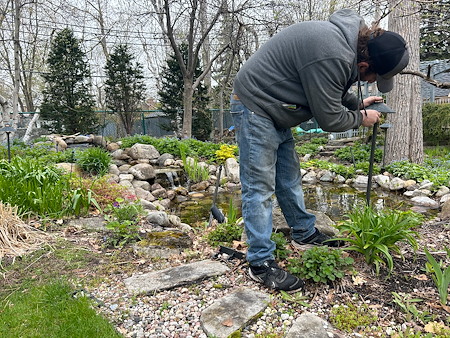
Every spring, Montreal homeowners face the same reality: months of snow, salt, and relentless freeze-thaw cycles have done a number on their outdoor fixtures. If you've been putting off taking care of your yard lighting, now is the time to fix landscape lights before small issues snowball into bigger ones. Not sure what's causing the problem? Our article on why landscape lights stop working covers the ten most common culprits in detail.
Whether you're dealing with dim fixtures, dead lamps, or corroded connections, this guide gives you a clear, friendly roadmap to fix landscape lights yourself — no electrician required for most of it.
Why Spring Is the Right Time to Fix Landscape Lights in Montreal
The combination of road salt, ice, and temperature swings that defines a Montreal winter is particularly rough on outdoor lighting. Lenses crack, metal corrodes, ground frost shifts fixtures sideways, and moisture sneaks into wiring. The longer you wait, the worse it gets.
A thorough landscape light fix each spring restores your property's curb appeal, keeps pathways and entry points safely lit, and saves you from costly emergency repairs in the middle of summer when you'd rather be relaxing outside.
What You'll Need Before You Start
Getting organized before you fix landscape lights makes the whole job faster and safer. Round up soft cloths or sponges, a spray bottle with mild soapy water, and cold-weather LED replacement bulbs. You'll also want a screwdriver, small wrench, voltmeter and/or ammeter, a stable ladder, protective gloves, and a flashlight for checking tight spots.
Steer clear of harsh chemical cleaners — they damage fixture finishes and accelerate wear.
Step-by-Step: How to Fix Landscape Lights

Cut the Power First
The golden rule before you fix landscape lights: always kill the power. Switch off the breaker, unplug the transformer, or flip the dedicated switch. Low-voltage (12V) systems are generally safe, but electrical risks are never worth taking lightly. Have someone with you if you're working at height, and don't hesitate to call a licensed electrician for anything complex.
Give Every Fixture a Deep Clean
You'd be surprised how much a proper cleaning can fix landscape lights that seem to have lost their punch. Winter leaves behind a layer of salt, grime, and spider webs that block light and eat away at materials. Use a damp soapy cloth on each fixture — lenses and housings especially — then rinse clean and dry thoroughly.

White vinegar diluted with water tackles stubborn staining well. Always patch-test on a hidden spot before going all in.
Hunt Down Damage and Make Fixes
Clean fixtures reveal problems that dirt was hiding. As you fix landscape lights, check carefully for cracked or yellowed lenses, rust on metal components, and housings that have shifted or come loose. Inspect every wire and connection point for fraying, breaks, or signs of moisture — both a safety and performance hazard.
Take the time to repair outdoor lights properly at this stage: tighten every screw and bracket, realign fixtures for balanced coverage, and swap out any lamp that flickers or looks dim.
Switch to Energy-Efficient LED Lamps
Spring is the ideal window to upgrade your lamps while you fix landscape lights. Quality LEDs last far longer than traditional lamps, handle Montreal winters without complaint, and noticeably reduce your hydro bill. Look for a beam spread of 36–60 degrees and a colour temperature between 2700K and 3000K — that warm, natural-looking light that suits garden settings perfectly.

Reference: EMERY ALLEN LIGHT MANUFACTURE
Step 5: Reprogram Your Timers
Once you fix landscape lights physically, don't forget the settings. Spring days are longer, so update your smart controller or photocell timer to reflect the new sunrise and sunset times. Some devices come already with a daylight savings time built in setting. Reposition any fixtures blocked by new plant growth, and trim back vegetation that has crept into the beam path.
Step 6: Inspect Every Cable and Junction Box
Wiring is one of the most overlooked areas when homeowners fix landscape lights. Walk the full length of each cable looking for chew marks, tool nicks, and sections pushed up by frost heave. Junction boxes are a favourite insect hideout — their chewing causes shorts and failures. For a deeper look at wiring best practices, voltage drop, and connection waterproofing, see our pro guide to installing a landscape lighting system.
Step 7: Don't Forget Smart and Seasonal Pieces
If you run smart lighting, push through pending firmware updates and verify that your seasonal schedules are loaded. For string lights or decorative fixtures, inspect every cord, plug, and clip before hanging them. Store anything not going back out in a dry, sheltered spot.

Bonus Tips for Montreal Homeowners
Never use a pressure washer to fix landscape lights or clean fixtures — it forces water into electrical components and causes real damage. Keep vegetation trimmed around all fixtures so plants don't block light or scratch lenses.
Make it a habit to fix landscape lights well before any outdoor gathering — a flickering or dark yard ruins the atmosphere. For complex or commercial systems, bringing in a qualified professional at least once a year is always a smart investment.
Frequently Asked Questions
How often should I fix landscape lights?
Once a year in early spring — after the last frost — is the right cadence. It lets you catch winter damage before small issues compound, and gets your system ready for the months when you use your yard the most.
Can I use a pressure washer on my outdoor fixtures?
No — the pressure forces moisture into electrical parts and causes damage. A damp cloth with mild soap is all you need for a thorough clean.
What's the best lamp for outdoor lighting in Montreal?
LEDs are the clear winner — durable, bright, and built for cold. When you troubleshoot landscape lighting performance issues, switching to warm white LEDs (2700K–3000K) with the right beam angle solves most brightness and consistency problems right away.
Is this a safe DIY project?
Cleaning, realigning, and swapping bulbs are all great DIY tasks — just cut the power first. For wiring or connections you're unsure about, a professional is always the safer bet.
Conclusion
A few hours each spring to fix landscape lights pays dividends all season long — safer walkways, a better-looking yard, lower energy bills, and a lighting system that actually lasts. It's one of those home maintenance tasks that's easy to do and even easier to feel good about.
Prefer to leave it to the pros? Our scheduled landscape lighting maintenance service takes care of everything for you — from cleaning and bulb replacement to full system inspections. Contact Éclairage Extérieur Montréal today for a free quote!
Contact The Montréal Landscape Lighting Company You Can Trust Today!