Different Types of Landscape Lights for Your Home
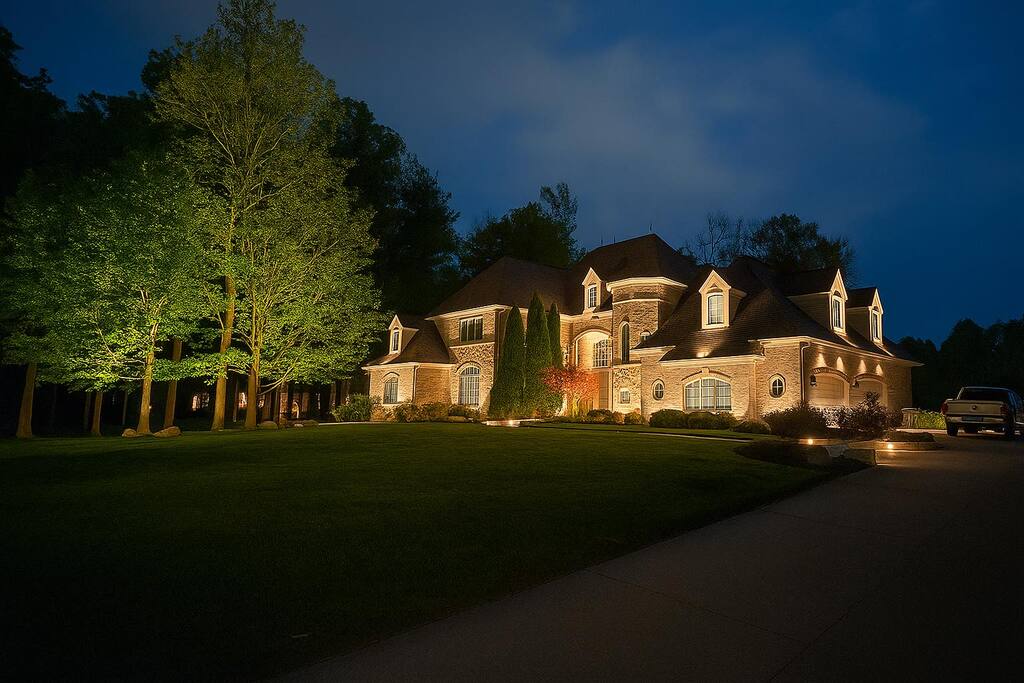
When the sun goes down, the right landscape lights can completely change how your home looks and feels. A well-lit tree, a glowing facade, a softly lit garden path, these details make a huge difference. But with so many fixture types and brands out there, it can feel overwhelming to know where to start.
At Éclairage Extérieur Montréal, we install landscape lighting across Greater Montreal every day. We work with the best fixtures on the market, and we know which ones hold up over time. Here's a plain-language breakdown on the different types of landscape lights and what makes each one tick.
What Are Uplights and Why Do We Use Them So Often?
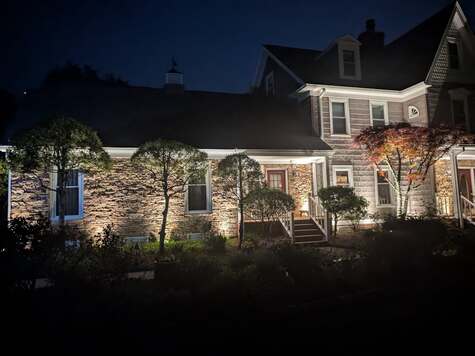
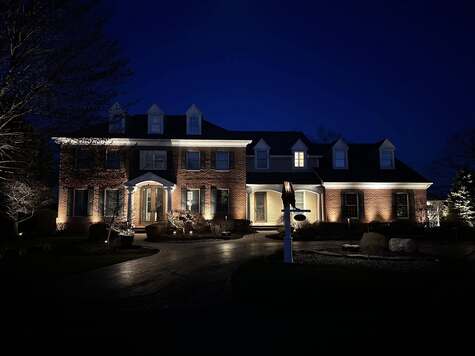
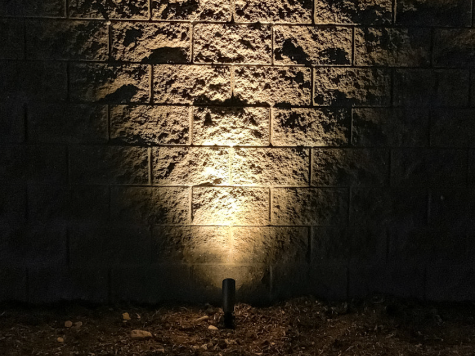
Uplights are fixtures that point light upward. They're the most common tool in landscape lighting, and for good reason. Whether you want to highlight a tall oak tree, show off the stone details on your home's facade, or wash a garden wall in soft light, an uplight gets the job done.
At Éclairage Extérieur Montréal, we typically place uplights 30 to 40 cm from the base of a tree, angled upward. For very large trees, we use multiple fixtures to get a natural, layered look. The beam angle, usually between 36 and 60 degrees, is chosen based on what's being lit.
Uplights also add real security value. They remove dark corners near doors, walls, and trees. Most of our clients combine uplights with timers, which we prefer over motion sensors, for a system that works automatically every night.
In-Ground (Recessed) Fixtures: Sleek and Low-Profile
Recessed landscape lights are installed flush with the ground, in soil, grass, or concrete. Because they sit below the surface level, they blend into the yard during the day and offer a clean look at night.
They tend to hold up well against rain and wind since the housing is partially sheltered by the ground. Good drainage during installation is key to long fixture life. Many recessed fixtures also include a honeycomb-style anti-glare shield, which cuts down on eye-level glare while still lighting trees, walls, and shrubs effectively.
The 3 Different Types of Landscape Light Fixtures
When you look at uplights and other landscape fixtures on the market, they fall into three categories based on how the LED is built.
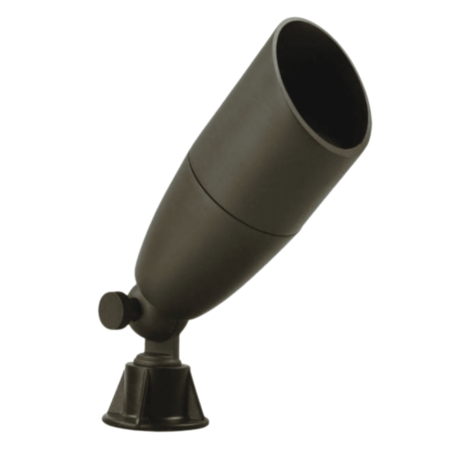
1. Replaceable-Bulb Uplights
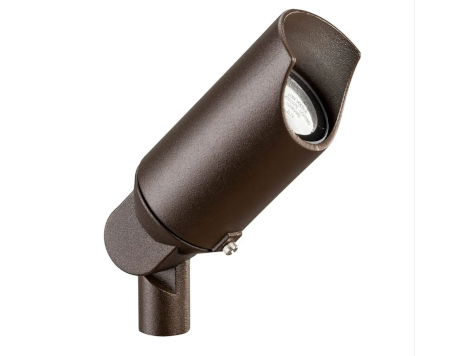
Traditional & FlexibleThese fixtures have a standard socket that holds a replaceable LED bulb. When the bulb burns out, you swap it out without touching the fixture itself.
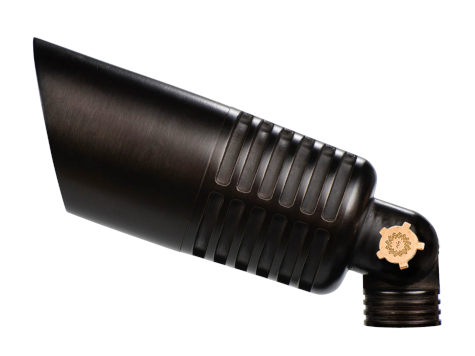
Brands we work with in this category include Solworks, a Quebec-based manufacturer that builds fixtures in cast brass and aluminum. Their products are built tough and come with anti-glare covers secured with safety screws. They also offer an integrated fixture. Kichler is another strong option. Their fixtures come in aluminum, copper, brass, and stainless steel, with great light distribution. They also offer an integrated fixture. And Lifetime Lighting Systems, which has over 30 years in the industry, designs every component, lenses, seals, mounts, to be serviceable in the field. If a landscaper accidentally damages a part, you replace just that piece, not the whole fixture. They back this up with a limited lifetime warranty.
Pros
- Lower upfront cost
- Easy bulb swaps when needed
- Flexibility to change beam angle or colour temperature over time
Cons
- Bulbs need more frequent replacement
- Moisture can get into the socket on lower-quality models
- Some aluminum fixtures can see paint peeling over time
2. Integrated LED Fixtures
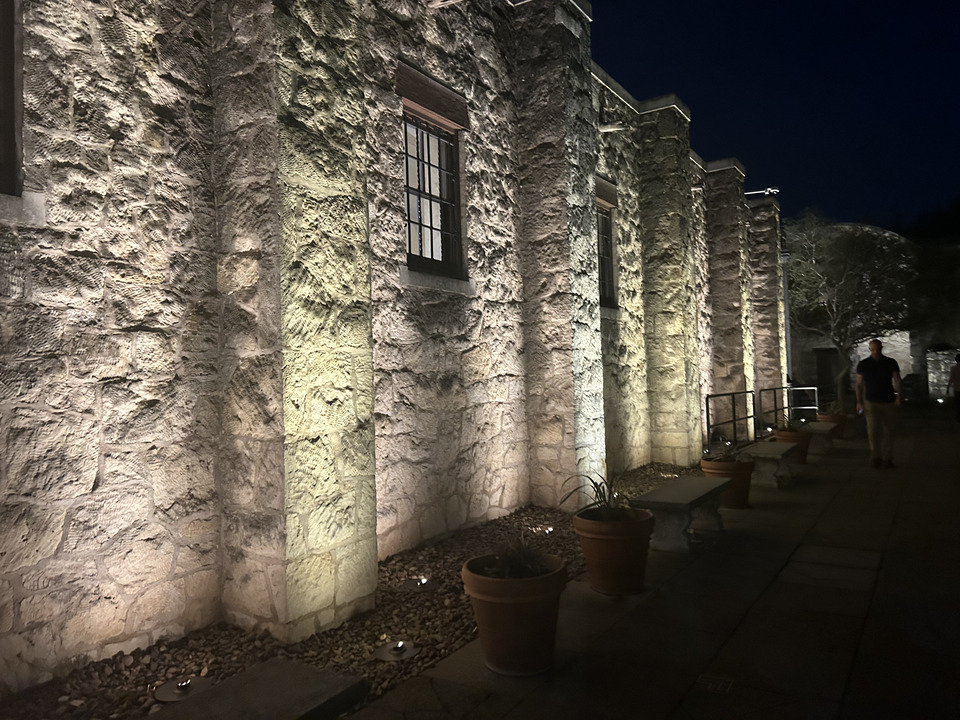
Long-Life PerformanceHere, the LED is permanently built into the fixture. There's no bulb to swap. The light source and the housing are one unit.
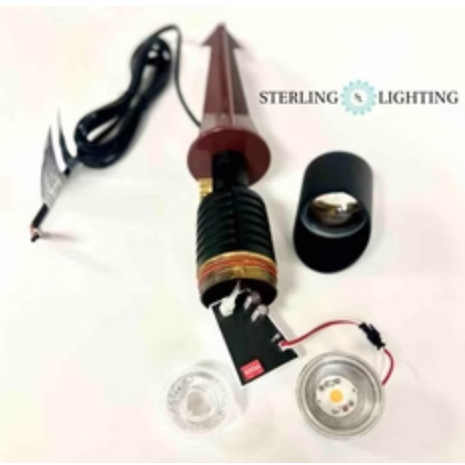
Sterling Lighting is a brand we respect in this category, it's also a modular fixture, explained further in the article. Founded by lighting designers with over 30 years of combined experience, they manufacture their own LED components, including drivers and heat sinks, using marine-grade virgin brass and stainless steel. Their products are designed for professional installers and are built to handle tough outdoor conditions.
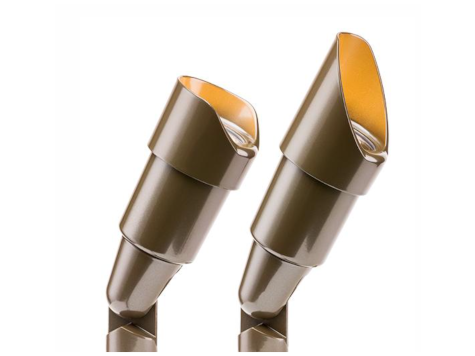
FX Luminaire also falls here. Their integrated LED fixtures are made from brass, aluminum, and stainless steel. They also offer the Luxor smart control system, which lets you manage zones, adjust brightness, and change colour, all from a controller. It's a premium option, but some clients love the level of control it gives them.
Pros
- LEDs last 20,000 to 50,000+ hours
- Very consistent colour output over time
- Generally more weather-resistant
Cons
- When the LED eventually fails, you replace the whole fixture
- Less flexibility to change colour temperature later
- Higher upfront cost
3. Modular Integrated LED Fixtures
Best of Both Worlds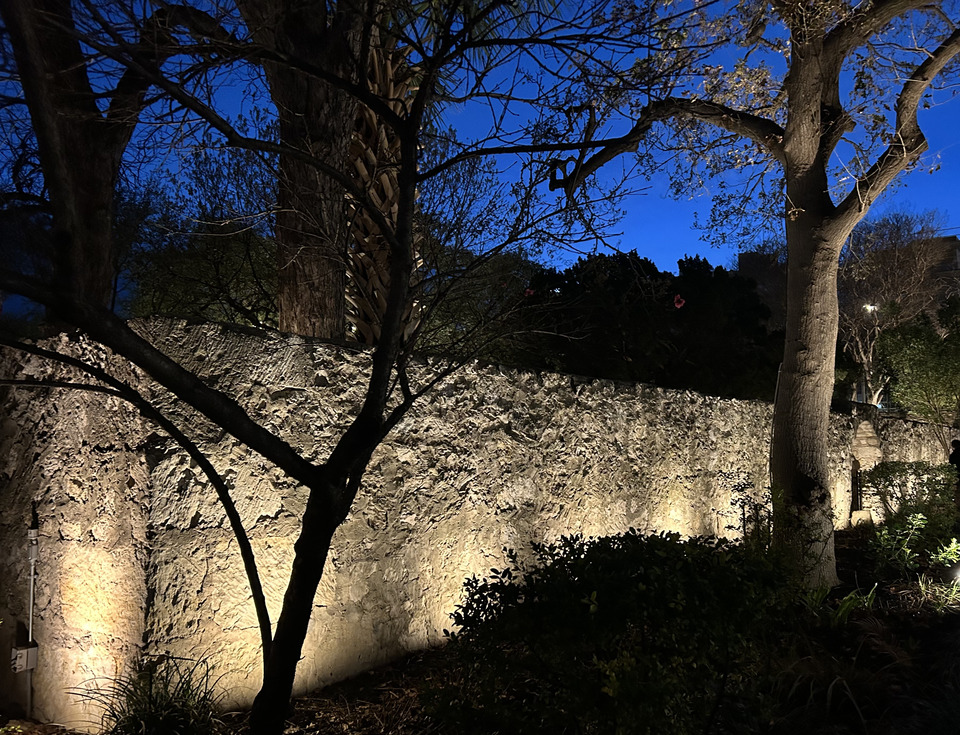
This is the best of both worlds. The LED is built into a replaceable module that sits inside the fixture housing. When the LED eventually needs replacing, you swap out just the module, not the whole fixture.
Lumien is one of the best examples of this approach. They offer a full range of landscape fixtures, directional, ambient, recessed, wall-mounted, and their Quick Connect system makes installation and reconfiguration fast. Their LumienCore and LumienPro lines offer adjustable colour temperature, colour changing, and dimming. Aluminum fixtures come in black or bronze. Brass fixtures have a brushed antique finish.
The big manufacturers have followed suit. Kichler, Sterling Lighting, and FX Luminaire all now offer their own modular systems alongside their other lines.
Pros
- Long LED lifespan and energy efficiency
- Module replacement is cheaper and easier than replacing the full fixture
- Some colour and beam flexibility depending on the system
Cons
- Replacement modules must come from the original manufacturer
- Upfront cost can be higher than basic replaceable-bulb fixtures
Warranty Breakdown by Brand
Warranties matter, especially for fixtures that live outside year-round in Montreal winters. Here's a quick summary:
| Brand | Warranty |
|---|---|
| Kichler | 5-year on replaceable-bulb fixtures; 10-15 years on integrated LED; lifetime on brass and copper construction. |
| Solworks | 5-year on aluminum and brass fixtures (both replaceable-bulb and integrated). |
| Lifetime Lighting Systems | Limited lifetime warranty on fixture performance. |
| FX Luminaire | 5-year on basic replaceable-bulb; 10-year on integrated and modular; lifetime on brass and copper construction. |
| Lumien | 10-year on aluminum; lifetime on brass (original owner only). |
| Sterling Lighting | 10-year limited on marine-grade brass and stainless steel; lifetime on fixture structure and exterior. |
Which Type Is Right for Your Property?
There's no single answer, it depends on your budget, what you want to light, and how hands-on you want to be with maintenance. That said, at Éclairage Extérieur Montréal, we always recommend investing in quality fixtures from the start. A cheaper fixture that fails in two years ends up costing more than a solid brass unit with a lifetime warranty.
And when you do need servicing, our landscape lighting maintenance team is ready to help.
If one of your fixtures stop working, our blog post on why landscape lights stop working can help you troubleshoot before calling us.
Ready to Talk Through Your Options?
Whether you're in Montreal, Laval, Blainville, Brossard, or Mont-Tremblant, our team can help you build a system that looks great and lasts. Reach out to Éclairage Extérieur Montréal to schedule your free consultation for a new installation.
Contact The Montréal Landscape Lighting Company You Can Trust Today!